


On Friday evening, 30 October, at 17:28, I opened my laptop and asked an AI assistant to take a look at UrbanKID. By Saturday, around 15:00, the site you are reading now was a different one. A short night’s sleep included. I did not write a single line of code and never once logged into the admin panel.
Dana wrote the first post on UrbanKID in March 2009. She was expecting a baby, I was looking at her, and we both thought we knew what was coming. Seventeen years have passed. The children have grown, the site has gathered more than 6,000 articles, dozens of authors and comments from people who wrote to us at 3 in the morning with a baby in their arms. And slowly, like any house you live in for too long, it filled up with things you no longer noticed.
I started it together with Matei Garici, when we were colleagues at MediaPro Interactiv. Orlando Nicoară gave us the chance back then, and enough money to hire an editor, to work on a labour of love alongside our jobs. Later, Vivi Floricică and Roxana Jilăveanu kept UrbanKID alive for many years as editors-in-chief.
Banners. Ad scripts. Forgotten plugins. A page that downloaded 8.7 MB on a phone, about four big photos plus 285 little bits of code, just to show you a few headlines. And for what? For a few dollars a month.
I came back from holiday and looked at it like a stranger
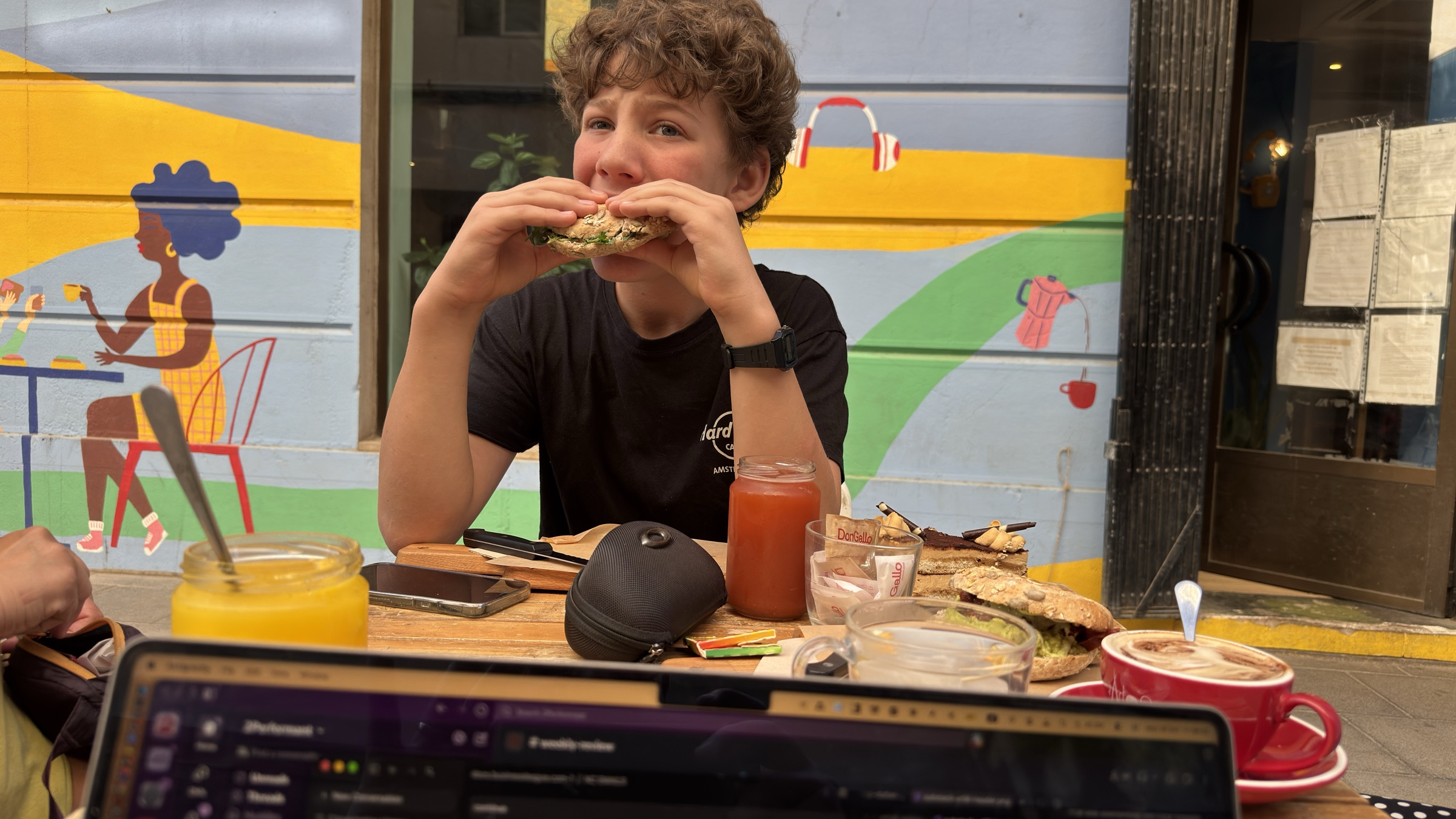
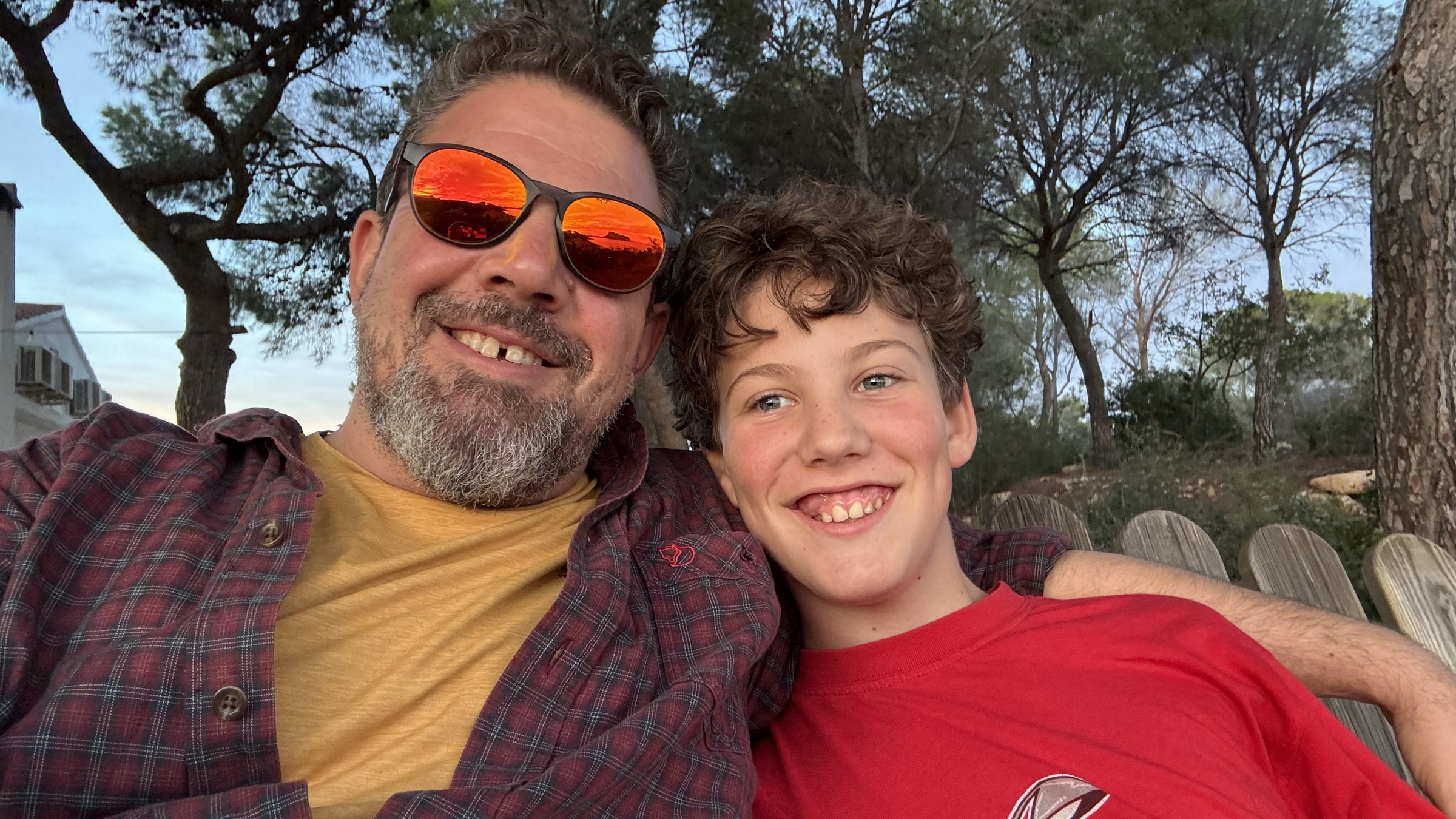
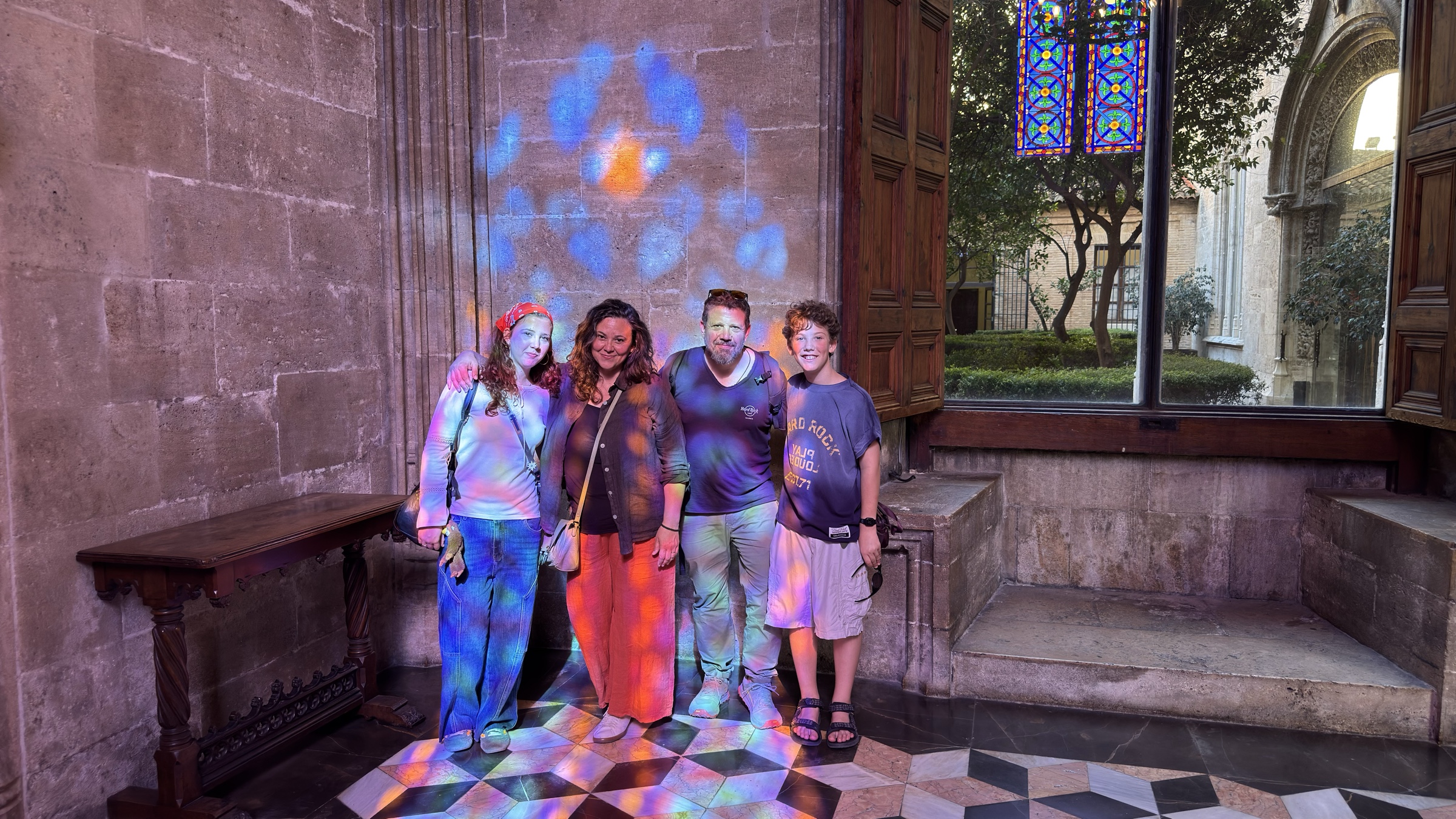
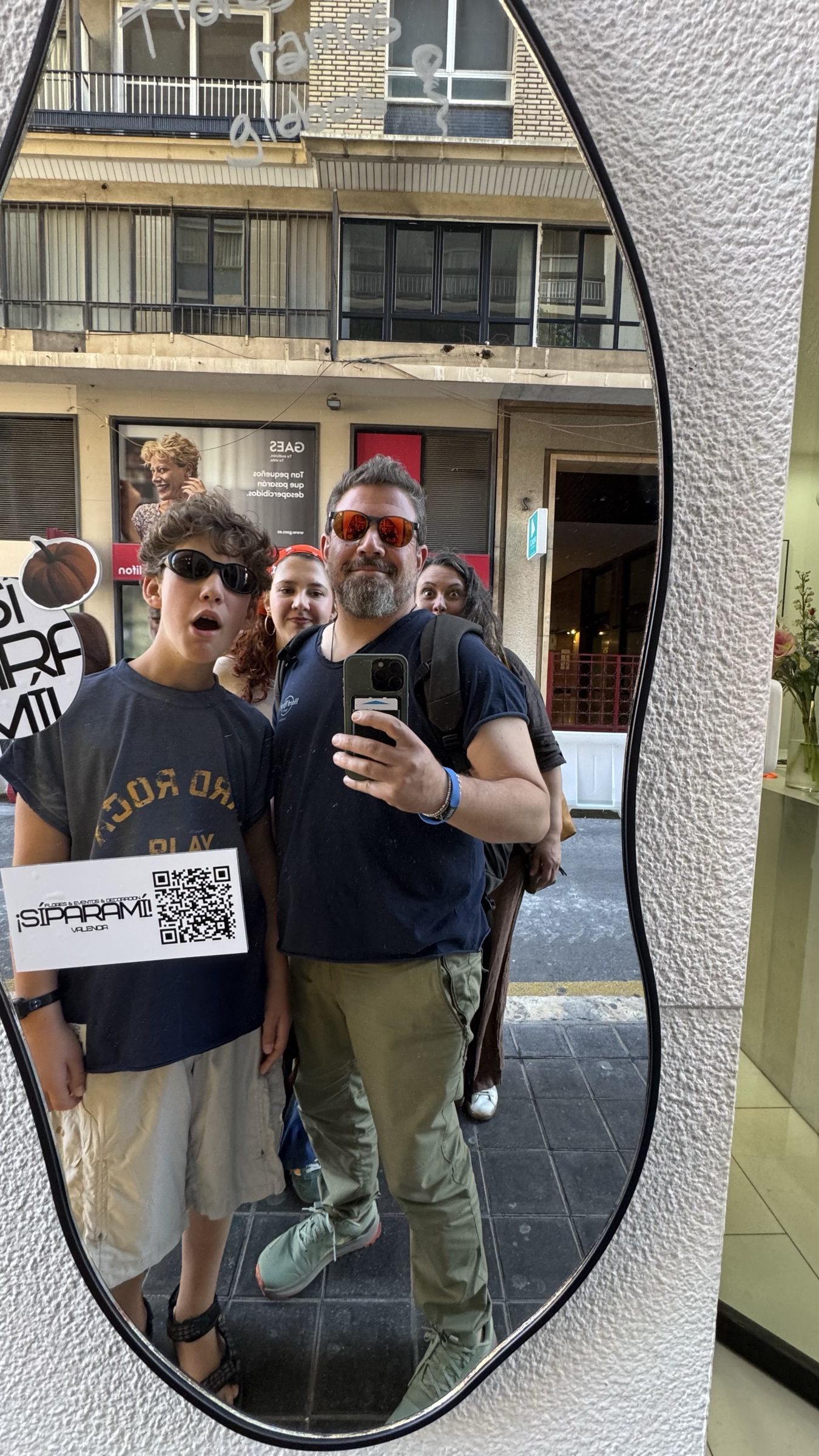
We spent a few days in Spain. Valencia, the sea, lots of walking, children who now reach my shoulder and have opinions about everything. When you come back from a beautiful place, you see your own home differently. I opened urbankid.ro on my phone and felt a little ashamed.
17 years of homepages
Before I tell you what changed, look at how the homepage looked over the years. I pulled these from the Internet Archive, that wonderful library that remembers the internet better than we do. Swipe left.
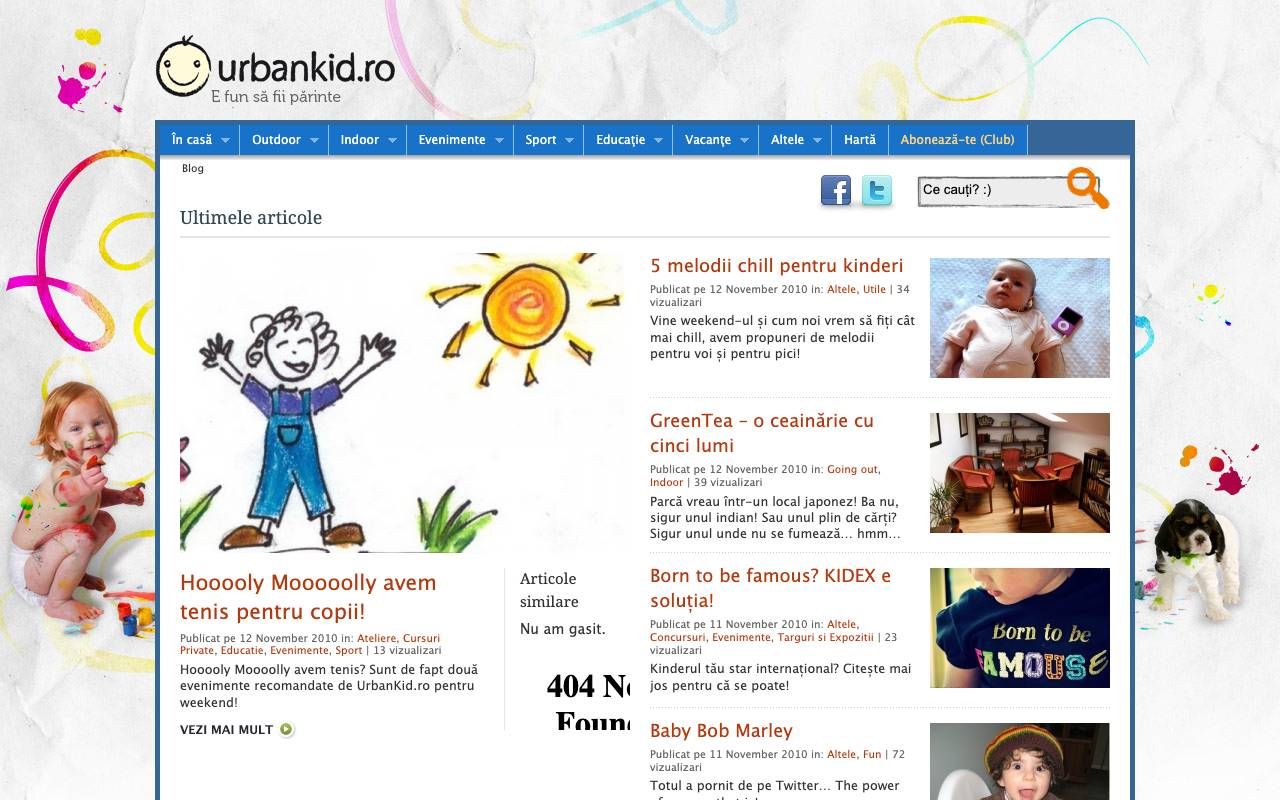
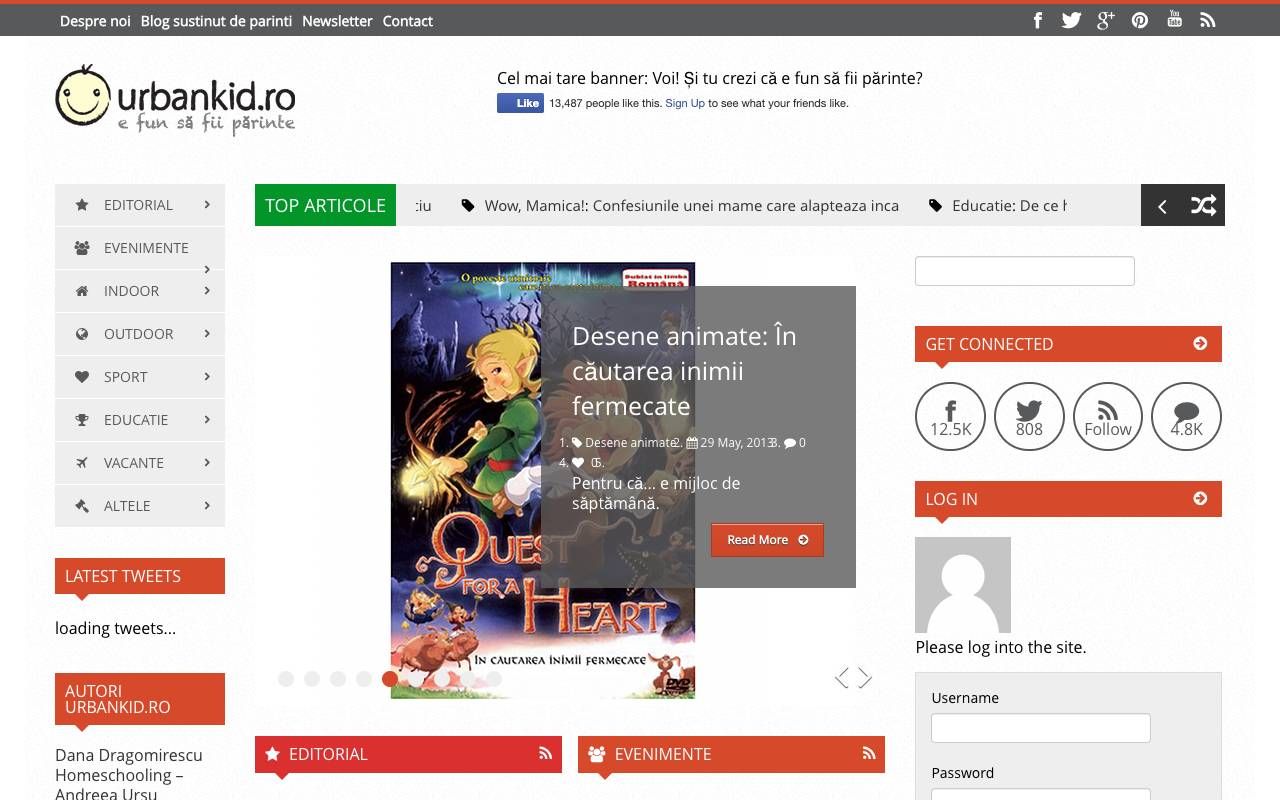
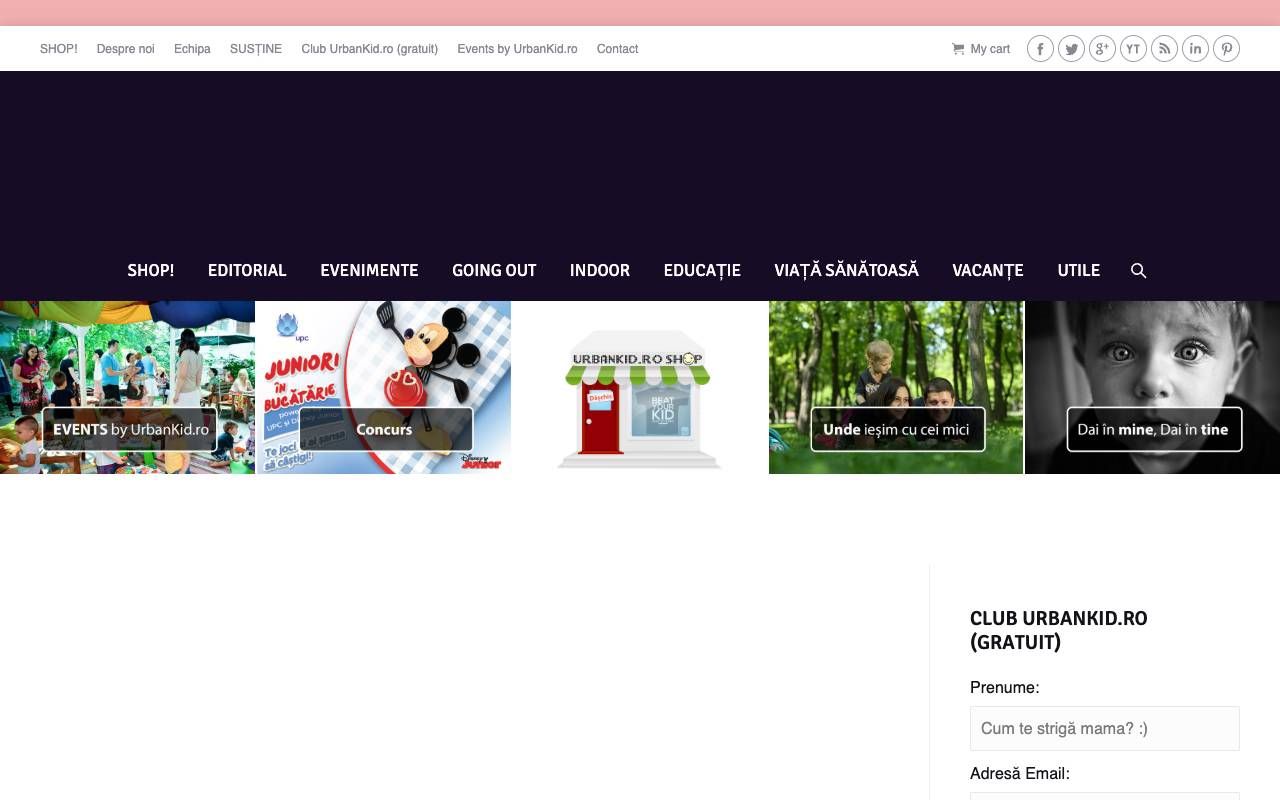
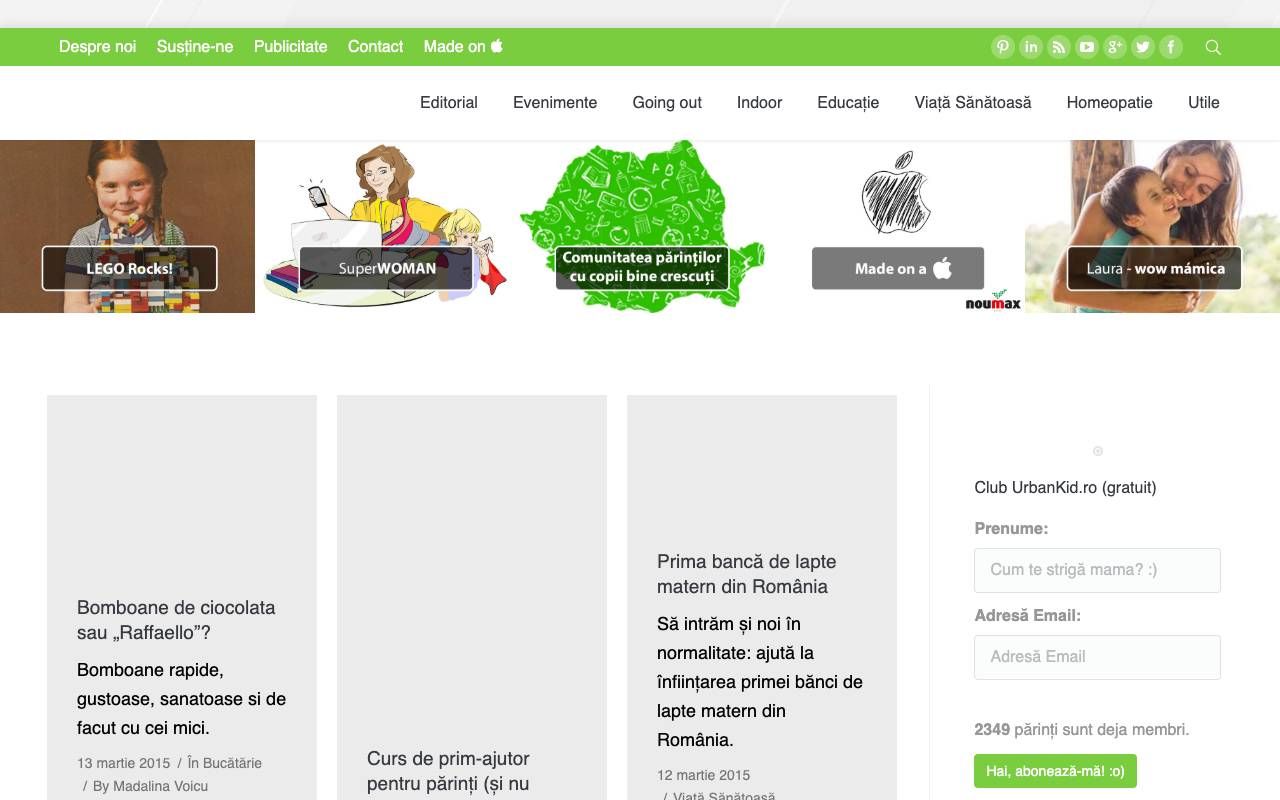
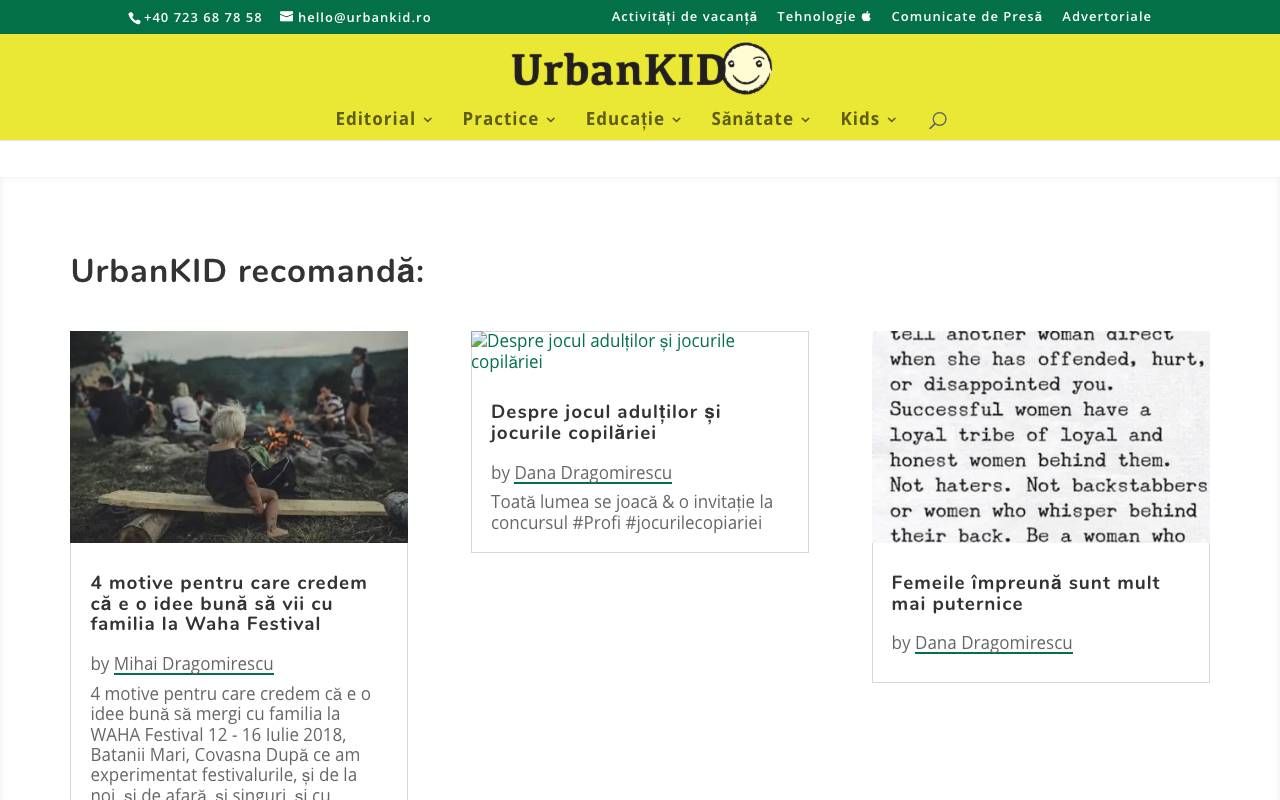
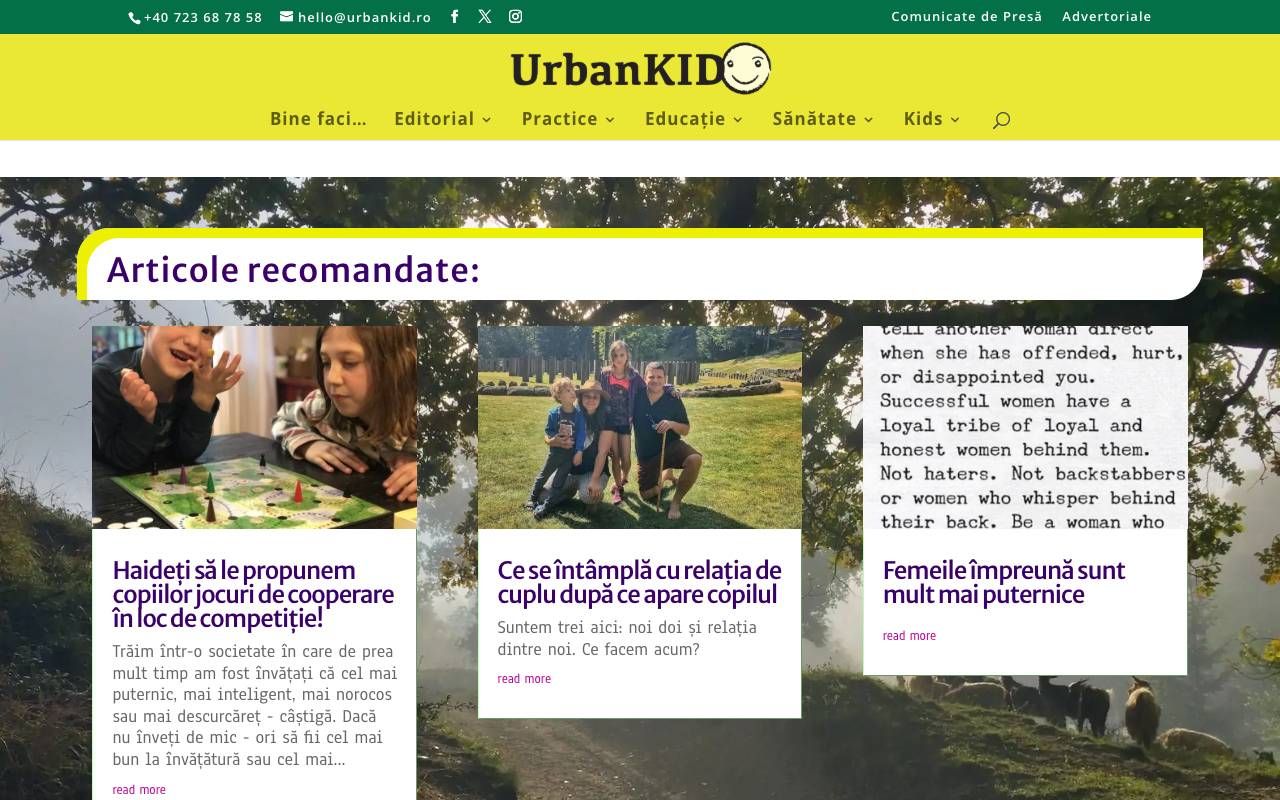
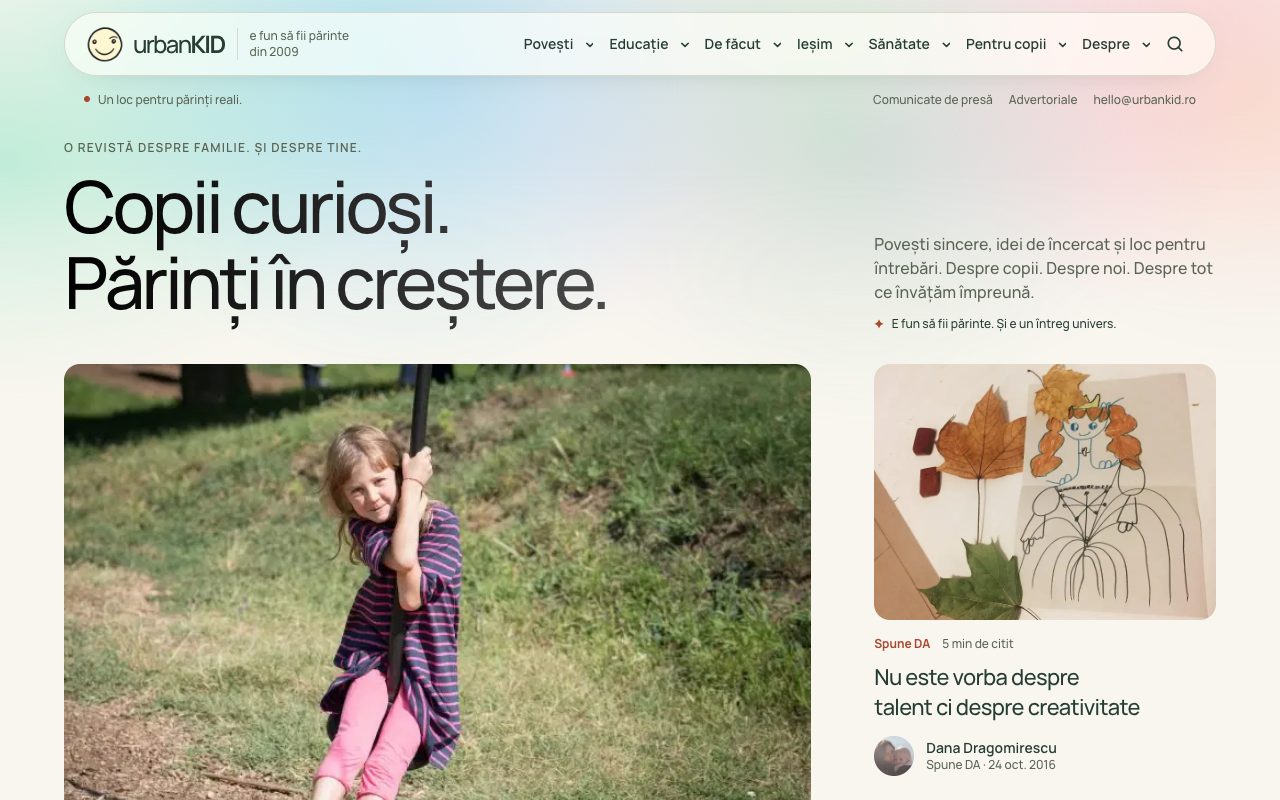
Screenshots from the Internet Archive. If a picture is missing, it is missing from the archive too.
How it was done, in plain words
Picture a very fast builder who never gets tired and has read everything ever written about houses. He has no taste and doesn’t know how you want to live. But tell him “I want more light here” and he is done before your coffee is. That is roughly what working with an AI assistant is like today.
I started with a conversation in ChatGPT, describing what I wanted: a more modern design that shows off the articles and the authors, loads fast and looks good on a phone. I got a page. I passed it on to Claude, the assistant that did the rest, connected straight to the site. Then came my part: I looked, said what I didn’t like and kept sending screenshots from my phone.
“The logo is too small.” “This bit is a bit boring.” “This link goes to an empty page.” “Why have the pictures stopped working?” That was all my programming. The new site lived next to the old one, at a separate address, until I said “go”. You saw nothing until then.
- Clean-upUpdates, security, old plugins in the bin. You don’t paint damp walls.
- The new designA single page, as a starting point.
- The switchThe new homepage and every article, on the new look.
- LinksOld articles linked to each other, so none is left alone.
- Morning, with the phoneI read like a visitor and kept finding what didn’t work.
- Category pagesA little magazine, with filters by author and year.
- The illustrationsSo it feels more like a place made by people.
The “under 24 hours” part is true, but don’t be fooled by it. The design itself, from the first idea to the site going live, took 2 hours and 45 minutes. The rest was making it ours. And there is more to do: next, I am translating it fully into several languages.
26 → 88Google’s speed score, on a phone
46 → 100the same score, on a computer
8.7 → 0.8 MBwhat your phone downloads for the homepage
42 → 5.3 suntil the main part of the page appears, on a slow phone
What changed
We changed
- Divi, from 4 to 5. It wasn’t planned. It came as an unexpected bonus of the updates, and afterwards I checked every type of page.
- The look, everywhere. Homepage, articles, categories, authors, even the error page.
- The ads. I removed all of them, along with the scripts that tracked you. A few dollars a month were not worth your patience.
- The paragraphs. 4,455 old articles were a single block of text. Now they breathe: from 28,889 paragraphs to 59,513.
- How you find things. Filters, links between articles, shelves with the whole library.
- What Google sees. More than 9,000 empty tag pages left the search results.
We kept
- All the writing. Exactly as it was written. I checked word for word, across all 6,085 articles.
- The addresses. Old links still work.
- The comments. All of them. They are half the site.
- 30 hand-made pages. Festivals, maps, things drawn with love. They stay as they were.
- The smile in the logo. And “being a parent is fun”. Especially when it isn’t.
Two corners with their own rules
Not everything on UrbanKID is an ordinary article. Two sections got a look made just for them, because people come there for something different.
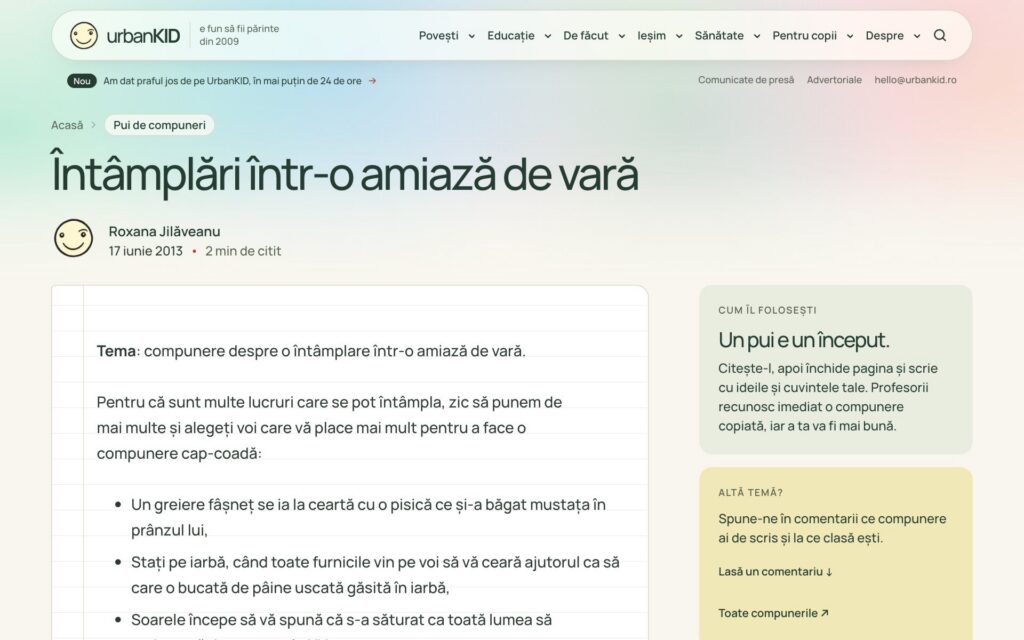
Pui de compuneri (children’s essays)
560 essay outlines, started by Sandra and continued by Roxana. Pupils usually land here the evening before the homework is due, so each one now sits on a notebook page, with lines and a margin, and next to it a clear note: read it, then close the page and write it in your own words. No noise around it, with other topics close at hand.
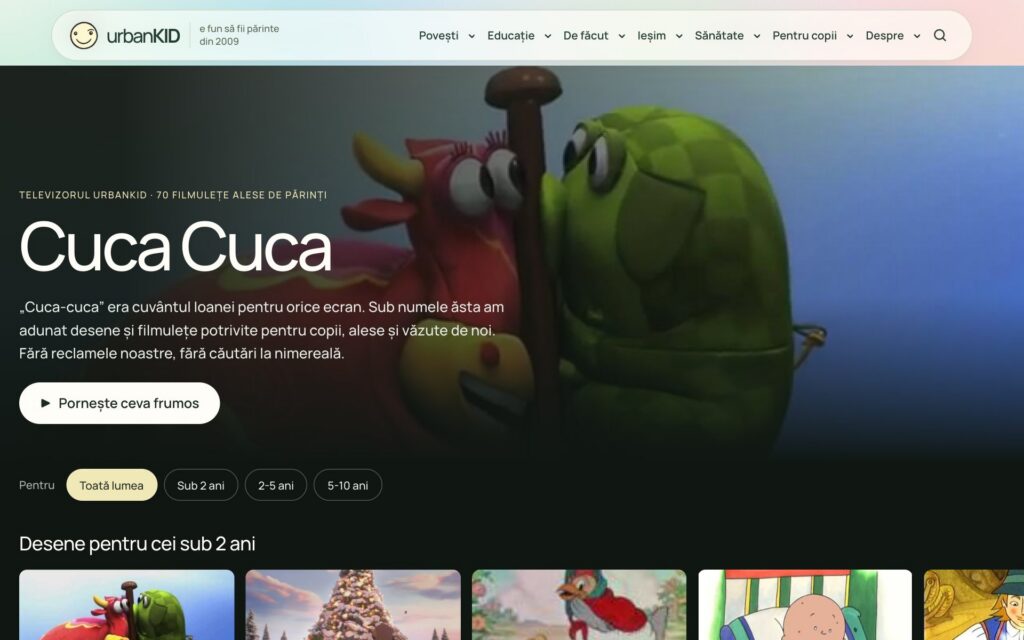
Cuca Cuca
“Cuca-cuca” was Ioana’s word for any screen, and the project won the Audio-Video category at Webstock in 2012. Now it looks like a little TV: rows of short videos, you choose the child’s age and press play right on the page. Many clips had vanished from YouTube in the meantime, so I checked every link and 70 that actually work remain.
How I used AI, and where it doesn’t help me
The AI read the whole library, moved, checked, repaired. It removed the ads, found why the page loaded slowly, compared every text to make sure no word was lost. Things I would have paid a team for and waited months.
But it also made mistakes. Once it shortened an essay from 393 words to 9. It caught that itself, before it reached you. Another time it emptied the page with Dana’s journal, and I caught that one myself, on my phone, on Saturday morning. And the old photos: I found more than 2,300 images that no longer loaded, some for years, without us knowing. Many I repaired. Others are lost for good, including galleries from the early years.
The illustrations on the site were also made with AI, following my directions.
What stays human? Knowing what you want. Feeling when something rings false. Caring about the people who read. Nobody does these for you, however fast they write.
it reminded me of something.
What Respira for WordPress is
I have to tell you something: Respira is my product. I built it myself, from scratch, and it is what I work on almost all the time now.
It is a WordPress plugin that lets an AI assistant, like ChatGPT or Claude, work directly on your site. In the same page builder you already have, with a safety copy before every change, so you can always go back. “Respira” means breathe in Romanian, and that is the point: you can breathe, because any change can be undone.
This rebuild is also a test on my own skin. If you are curious about the technical details, the numbers and every mistake written down one by one, I put it all in a case study on respira.press.
And now?
Now please break it. Walk through it like a new house, open every door and tell me in the comments what doesn’t work, what you miss or what was better before. The old homepage is still here, for nostalgia.
Thank you for being here, some of you for 17 years. Being a parent is fun. That still holds.

0 Comments